|
Concluding Observations
The administrative system envisaged in this
Constitution is that of a pyramid whose broad base is composed
of numberless village communities of the country. The higher
panchayats shall tender sound advice, give expert guidance and
information, supervise and coordinate the activities of the
village panchayats with a view to increasing the efficiency of
administration and public service. But, in the non-violent state
of Gandhiji’s conception, it will be the basic units that
would dictate to the centre and not vice versa.
In fact, the whole system will be turned upside down; the
village shall become the real and moving unit of the
administration.
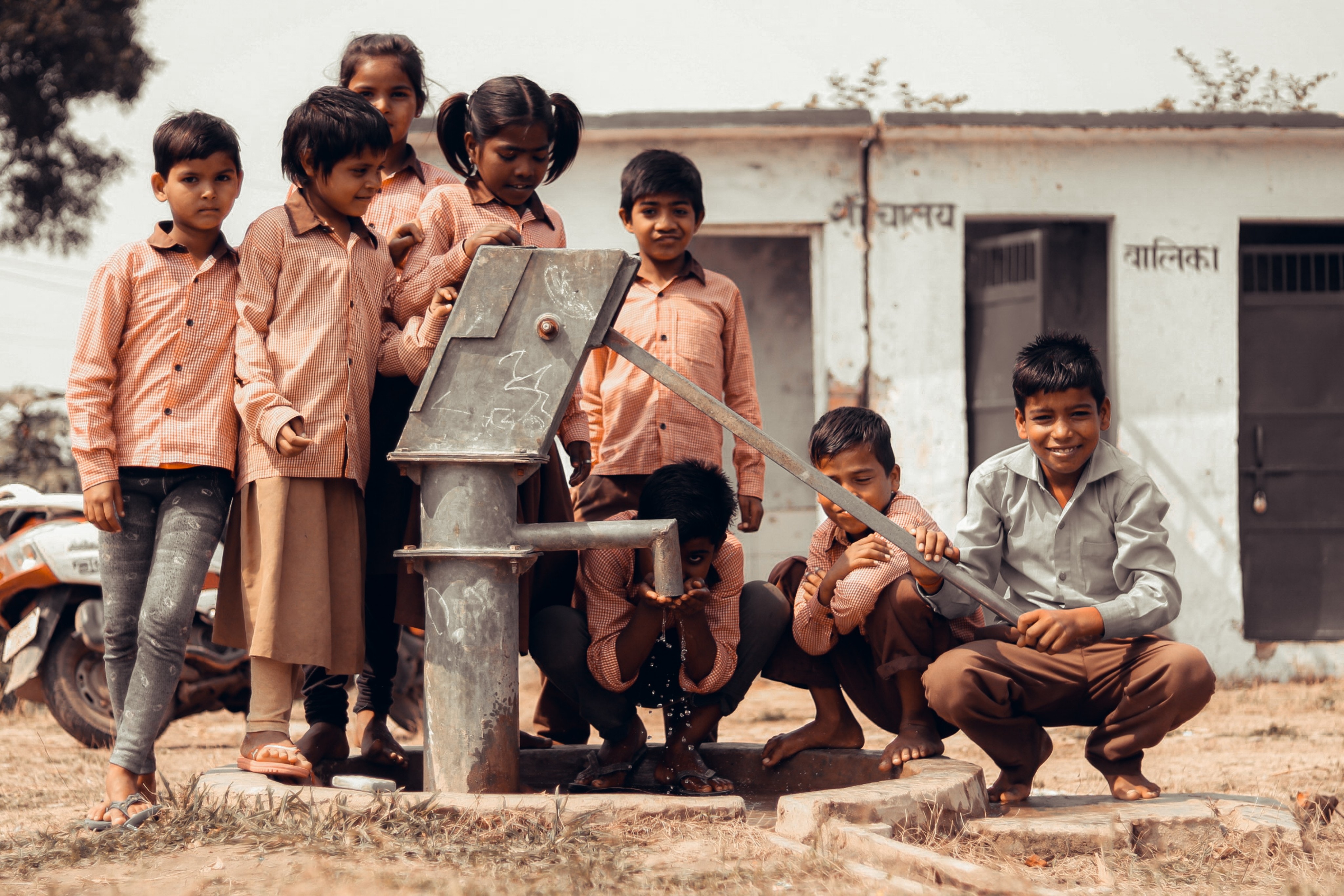
It may be argued that the Indian villages are, at
present, in a bad way. There are petty jealousies, quarrels,
party feelings and rivalries among the villagers who are still
illiterate and devoid of keen civic sense. It will, therefore,
be risky to repose too much confidence and trust in the village
panchayats. Such arguments betray gross ignorance of the
fundamental principle of human psychology: ‘Trust begets
trust.’ What does it matter if we commit mistakes and even
blunders? We learn through our mistakes. We need not, therefore,
hesitate to devolve a large measure of political power on the
village communities. The process of devolution and
decentralisation may be gradual and by graded instalments. But
the ultimate objective must be clear-cut, definite and
unmistakable. I have no manner of doubt that under the Gandhian
Constitution our villages will rise to their full stature and
become once again the bright models of genuine and lasting
democracy.
EDITORIAL COMMENT
Rural-Urban Synergy
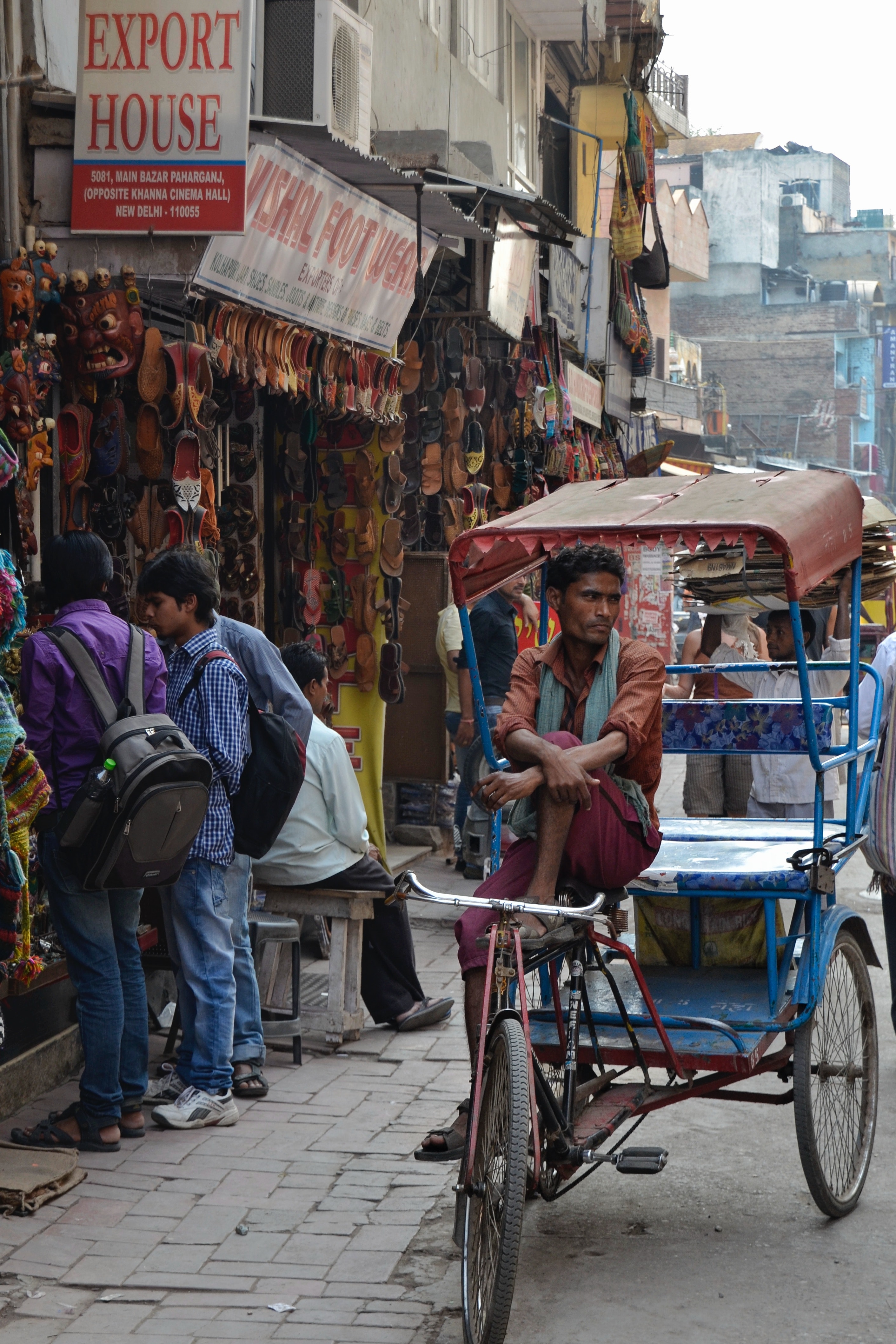
The emphasis of Gandhi on villages made the
urban elite fear that he was taking the nation back to the
bullock cart age. They did not understand that rural-urban
synergy is vital for strengthening the environmental resource
base and using it in a sustainable manner. They also could not
comprehend that villages could be improved to have quality
better than most third world cities —- good roads, sanitation,
water supply, electricity, schools, colleges, hospitals, health
clubs and housing. Such villages do exist in some western
nations. They would contain population growth reducing the
pressure on cities and making them manageable. By neglecting the
countryside, we have caused immense damage to both our villages
and cities.
Gandhi also emphasised on fully empowered city governments
accountable to the citizens through effective transparency
mechanisms. Urban neighbourhoods too should, like village
panchayats, be units of self-governance.
Globalising the economy while retaining the present centralised
exploitative system will land us in serious trouble. We
presently have Rakshasa Raj —- centralised, non-transparent,
bureaucratic. It can foster only devilish attitudes. We need Ram
Raj in which every local entity is autonomous, there is complete
transparency, and the state provides infrastructure and
coordinates, but does not interfere or exploit. Such a
decision-making structure will nurture social and spiritual
values and responsible societal behaviour.
The only method of realising such governance is through an
institutional mechanism for reforms through referendums. People
First has launched a nation-wide movement "Swadeshi
Loktantra Andolan" for realising it. The nation-wide call
of the movement will be:
The nation today is on the verge of social, environmental,
economic and political collapse that can only lead to anarchy
and balkanisation. If the political leadership has the slightest
patriotism, it should rise above short term legal and illegal
benefits, and come forward to establish an institutional
mechanism for reforms through referendums.
—- PEOPLE FIRST |